The secret to a good day in Arsuz with kids is fewer stops: a wide, sandy beach in the morning (Gözcüler or Karaağaç), an unhurried lunch close to the shore, shade and rest or a short stroll around the mouth of the Arsuz stream in the afternoon, and, in the evening, a children's event that has actually been announced for that day or simply the sunset over the bay. Treat this as an editorial suggestion: your children's ages, nap times and the journey home should set the pace.
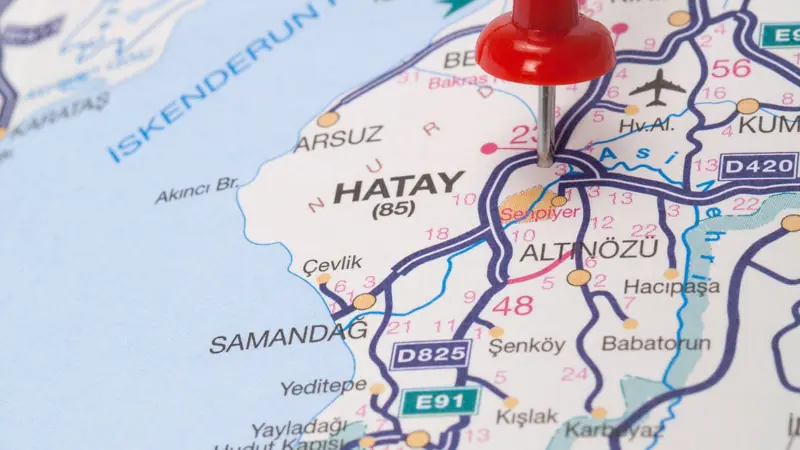
Arsuz is a coastal district of Hatay province on the Gulf of İskenderun, stretched between the Nur (Amanos) Mountains and the sea. Because its beaches, places to eat and the coast road lie close together, it is easy to build a family day around short transfers.
Arsuz with kids: the day at a glance
| Time | What to do | Quick tip |
|---|---|---|
| Morning | One beach: Gözcüler or Karaağaç | Swim while the sun is still gentle; set up shade first |
| Midday | A relaxed lunch near the beach | Shared mezes shorten the wait |
| Early afternoon | Rest in the shade, a nap or a short walk | Avoid the midday summer sun |
| Late afternoon | The stream mouth and fishing boats, sunset on the shore | Sort out your return transport before dark |
| Evening (optional) | An announced children's show or concert | Check the age guidance and adult tickets in advance |
Morning: choose one child-friendly beach
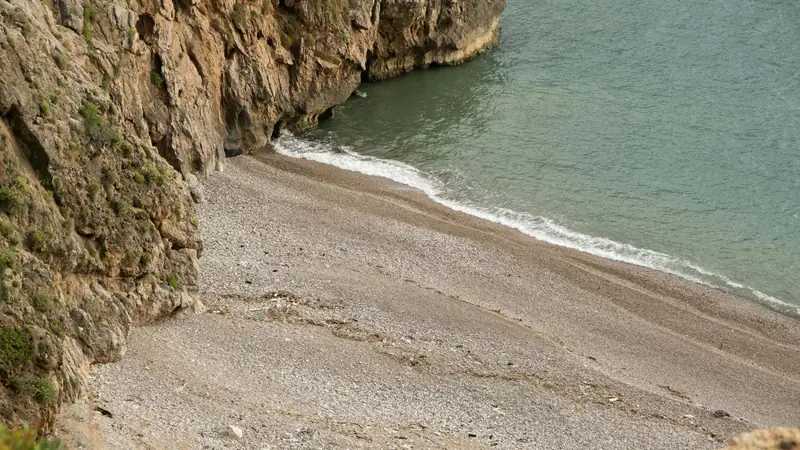
For families the most practical options are the long, sandy beaches of Gözcüler and Karaağaç on the road from İskenderun: there is plenty of room to dig and play, and facilities and food are close by. South of the centre, around Konacık, Gülcihan and Kale, the coves are quieter, but the entry into the water is stony in places, so small children will need water shoes. Pick one beach rather than trying to fit both into the same morning.
- Before you go, ask about shade, toilets, showers, parking and whether a stroller can reach the sand.
- Do not assume that every beach has a lifeguard at all hours; keep children in sight whenever they are in the water.
- In some years local news has reported stinging purple jellyfish (Pelagia noctiluca) on the Arsuz coast, notably at Karaağaç. If there is a warning, stay out of the water and never touch a jellyfish.
- Official bathing-water results are published in the Turkish Ministry of Health's bathing-water monitoring system.
Our Arsuz beaches guide explains sand versus pebbles and public versus hotel beaches, and the sea of Arsuz article covers swimming seasons and sea life.
Midday: an unhurried lunch
Choosing a restaurant close to the beach stops lunch from turning into another long transfer. Hatay cuisine is easy to share with children: hummus, warm pepper bread and grilled fish go down well with many young eaters, and almost every meal ends with hot künefe, the cheese pastry soaked in syrup. Hatay joined the UNESCO Creative Cities Network for gastronomy in 2017.
- Ask about children's portions, how long food will take and the price before ordering.
- Some mezes, such as walnut and red pepper dip (muhammara), contain nuts; mention allergies clearly when you order.
- Check fish for bones before giving it to a child, and ask for spicy sauces on the side.
The dishes you are likely to see are described in our guide to what to eat in Arsuz. For addresses and phone numbers, see the business directory; a listing is not a recommendation.
Afternoon: shade, a short walk and some culture
In summer the early afternoon is the hottest part of the day. Spending it with a nap at your accommodation, quiet games in the shade or a rest indoors saves children's energy for the evening. Once the heat eases, head into the town centre: where the Arsuz stream meets the sea, small fishing boats are moored, a real harbour scene that children can watch on a short walk.
With older children you can walk or cycle a short stretch of the cycle path that runs beside the Arsuz–Samandağ coast road, opened in 2020. The whole route is about 26 km long and has little shade, so plan only a short section with kids.
If you want to see a children's show, check the age guidance, running time, seating and whether accompanying adults need tickets. The Nazım Hikmet Cultural Centre hosts events, but that does not mean there is a children's programme every day. Use the cultural centre guide and the events calendar to find what is actually on. If nothing suits, a rest and a short stroll are a perfectly good alternative.
Adapting the plan to your children's ages
- Babies: Put shade, a calm corner for feeding and changing, and the spots where a stroller will struggle on sand at the centre of your plan. A baby carrier makes the beach much easier.
- Toddlers and pre-schoolers: A bucket, a spade and a change of clothes are enough. Keep swims short and offer water often.
- School-age children: Watching the fishing boats, a short ride on the cycle path or spotting sea creatures along the rocky edge in water shoes all make good adventures.
- Teenagers: Give them a say in the plan; sunset photos, snorkelling or an evening concert could be their pick.
With half a day more: Samandağ and Çevlik
At the southern end of the coast road, in Çevlik, you can visit the Vespasian–Titus Tunnel, a Roman channel about 1.4 km long cut through the rock in the 1st century AD to divert floodwater away from the ancient city, and the nearby Beşikli Cave with its rock-cut tombs. Children usually love it, but the ground is uneven and slippery in places, so use a carrier rather than a stroller and check visiting hours in advance.
Samandağ's beach, about 14 km long, is one of the important nesting sites of green sea turtles. During the nesting season (from mid-May) keep away from marked nests and do not use lights on the beach at night, which is also a nice way to talk to children about protecting nature. For more ideas see our guide to places to visit in Arsuz.
Choosing the season
According to Turkish State Meteorological Service (MGM) data for Hatay, average temperatures in July and August are around 27–28 °C, there is almost no rain and humidity on the coast is high. In those months swim early in the morning and late in the afternoon and keep the middle of the day for shade. June and September are often more comfortable for families, both for the sea and for the crowds. In the cooler, wetter months a short coastal walk and an indoor event work better than a beach day; see our autumn and winter ideas.
What to pack and keep on your phone
- Plenty of drinking water, light snacks and everyday items suited to your children's ages.
- High-factor sunscreen, hats, a sunshade and spare clothes.
- Water shoes for stony entries and a few beach toys.
- Your destination address in writing, the restaurant's phone number and an offline map.
- A charged phone and a small first-aid kit.
- A bag to take your rubbish home.
Safety and emergencies
On a busy beach agree on a fixed family meeting point and write your phone number on a small child's wristband or in a pocket. Follow warning signs and flags; on windy days waves and currents can pick up. After a jellyfish sting, rinse the area with seawater rather than fresh water and seek medical help if symptoms persist. Türkiye's single emergency number is 112, which also handles ambulance, fire, police, gendarmerie and coast guard calls. Phone numbers of local institutions are in our directory.
Rainy days and an early way home
If the weather turns, shorten the outdoor part and switch to an announced indoor event or a quiet meal. Cutting a stop when the family is tired is part of the plan, not a failure. Before you travel, read the return-journey tips in our transport guide, and if you are using public transport, confirm the time of the last minibus locally.